
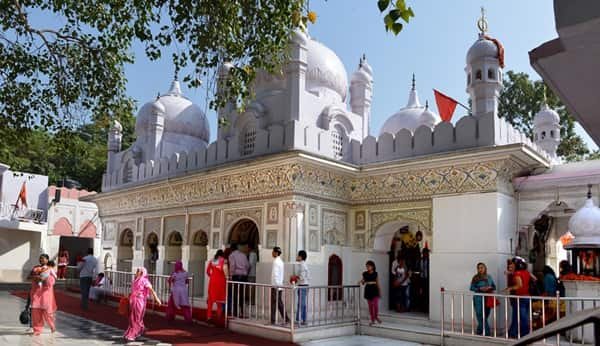
Mansa Devi Temple Complex in Panchkula is one of the best-known Shakti pilgrimage centres in the Chandigarh-Panchkula region. Set near the Shivalik foothills, the complex attracts devotees throughout the year and sees especially heavy footfall during the Chaitra and Ashvin Navratra periods. The shrine campus includes the main Mata Mansa Devi temple, the historic Patiala temple and supporting pilgrim facilities. It is administered by the Shri Mata Mansa Devi Shrine Board. The temple is accessible from Panchkula, Chandigarh and Manimajra by road, city transport, taxi and auto-rickshaw. Visitors travelling for darshan should distinguish the temple complex from the wider Mansa Devi Complex residential sectors and use the shrine name when booking a cab or checking directions.
Quick About Mansa Devi Temple Complex, Panchkula
| Particular | Details |
| Name | Shri Mata Mansa Devi Temple Complex |
| City | Panchkula |
| State | Haryana |
| PIN Code | 134114 |
| Setting | Near Shivalik foothills |
| Administration | Shri Mata Mansa Devi Shrine Board |
| Main Attraction | Mata Mansa Devi shrine and Patiala temple |
| Rail Access | Panchkula / Chandigarh railway connections |
| Nearest Major Airport | Chandigarh International Airport |
Mansa Devi Temple Complex, Panchkula Address, Pin Code and Location
The temple complex is in the Mansa Devi area of Panchkula, Haryana, close to Manimajra and Chandigarh. Haryana Tourism identifies the location as Mansa Devi Complex, MDC Sector 4, Panchkula. Institutional addresses within the temple campus also use Panchkula, Haryana – 134114.
The shrine campus is separate from ordinary residential addresses in the surrounding Mansa Devi Complex sectors. For navigation, visitors should enter ‘Shri Mata Mansa Devi Temple’ or ‘Mata Mansa Devi Shrine Board’ to avoid being directed to a residential block.
| Location Detail | Information |
| Temple Area | Mansa Devi Complex / MDC Sector 4, Panchkula |
| PIN Code | 134114 |
| State | Haryana |
| Administration | Shri Mata Mansa Devi Shrine Board |
Mansa Devi Temple Complex, Panchkula Connectivity
The temple is mainly reached by road. Panchkula and Chandigarh provide railway, bus and airport connections, while autos, taxis and local buses cover the final journey to the shrine.
| Mode | Main Option | Use |
| Rail | Panchkula / Chandigarh stations | Useful for pilgrims arriving by train |
| Bus | Panchkula, Manimajra and Chandigarh services | Local and intercity access |
| Road | Panchkula-Mansa Devi / Manimajra approaches | Direct temple access by car and taxi |
| Airport | Chandigarh International Airport | Nearest major airport for outstation visitors |
| Taxi / Auto | Widely available in the tri-city | Convenient final connection to the shrine |
By Train
The Shrine Board lists Panchkula railway access among the nearest transport options, while Chandigarh Railway Station is also widely used by outstation pilgrims. Taxis and autos can be taken from either side depending on train arrival and local traffic.
By Bus
Panchkula and Manimajra bus services provide practical local access, and Chandigarh’s larger bus terminals handle intercity routes from Haryana, Punjab, Himachal Pradesh and other states. During Navratra, local traffic arrangements may be modified because of heavy pilgrim movement.
By Road
The shrine is well connected with Panchkula, Manimajra and Chandigarh roads. Private cars, taxis and autos can approach the temple area, but parking and vehicle movement may be regulated during major fairs and festival days.
By Air
Chandigarh International Airport is the nearest major airport. From the airport, travellers normally continue by taxi or cab through the Chandigarh-Panchkula road network.
Important Roads and Access Points
| Access / Landmark | Relevance |
| MDC Sector 4 | Official locality reference for the shrine |
| Manimajra | Nearby Chandigarh-side approach |
| Panchkula city | Main Haryana urban access |
| Shivalik foothills | Geographical setting of the shrine |
Important Landmarks and Nearby Areas
Useful landmarks and surrounding areas include:
- Main Shri Mata Mansa Devi temple
- Shri Mata Patiala Temple within the wider shrine complex
- Shrine Board facilities and pilgrim service areas
- Mansa Devi Complex residential sectors
- Manimajra and Panchkula urban areas
Why Mansa Devi Temple Complex, Panchkula Is Important
The Mansa Devi Temple Complex is important both as a religious centre and as a major pilgrimage destination in northern India. The shrine is associated with Shakti worship and receives especially large crowds during the two Navratra festivals. The Shrine Board manages darshan arrangements, pilgrim services and temple administration. Visitors should check current opening times and festival arrangements before a special-trip visit because schedules, queues and traffic controls can change during major religious periods. The wider campus also supports pilgrims through organised queues, security, first-aid arrangements, prasad counters and food facilities. During Navratra, the normal experience can change substantially because visitor numbers rise sharply and special traffic or entry systems may be introduced. Families travelling with elderly devotees should therefore plan the route and arrival time carefully and rely on current Shrine Board information for darshan arrangements.
FAQs
Q. Who manages Mansa Devi Temple in Panchkula?
The shrine is administered by the Shri Mata Mansa Devi Shrine Board, Panchkula.
Q. Is the Patiala temple inside the same shrine area?
Yes. The historic Patiala temple is part of the wider Mansa Devi shrine complex and stands close to the main temple.
Q. Are temple timings the same throughout the year?
No. The Shrine Board publishes different summer and winter opening schedules, so visitors should check the current timing before travelling.
Q. Which railway station is convenient for the temple?
Panchkula and Chandigarh railway connections are both used by pilgrims, followed by road transport to the shrine.
Q. Does the temple become very crowded during Navratra?
Yes. Navratra is one of the busiest periods, with special crowd-management and traffic arrangements often required.